
What Your Fall Athletic Field Maintenance Checklist Should Include
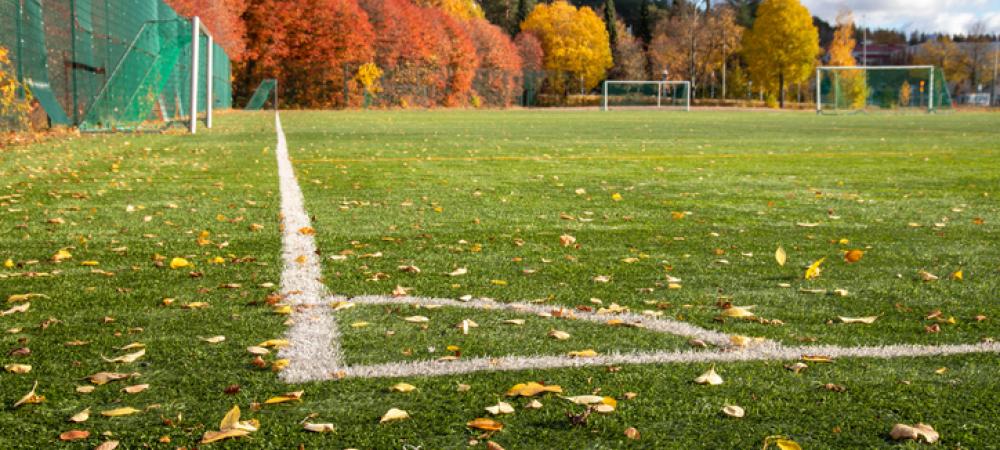
Preparing an athletic field for winter helps protect turf health, reduce damage from foot traffic, and create better playing conditions for the next season. From watering and mowing to aeration and drainage, this fall athletic field maintenance checklist covers seven steps to complete before winter.
1. Don't Stop Watering
Should you continue watering an athletic field in the fall? Yes. Continue watering as needed until the ground begins to freeze, adjusting the schedule based on rainfall, soil conditions, and turf needs.
Use these watering guidelines to support healthy turf throughout the fall:
-
Water deeply and less frequently: When conditions require irrigation, aim for thorough watering rather than short, frequent applications. This helps moisture reach deeper into the soil and supports healthy root development.
-
Water in the morning: Irrigate early in the day, ideally before 10 a.m., so the soil has time to absorb moisture before evaporation increases.
-
Avoid evening and overnight watering: Extended periods of moisture on grass blades can increase conditions that favor certain turf diseases.
-
Adjust watering as temperatures change: Monitor rainfall, soil moisture, and the field's condition instead of following a rigid watering schedule.
Fall is an important time for cool-season turfgrass root development. Proper watering helps maintain healthy roots and prepares the field for winter conditions.
2. Give the Grass a Final Mowing
A final mowing before winter helps maintain an appropriate turf height and reduces the risk of excessively long grass becoming matted or damaged.
Follow these mowing guidelines before the field goes dormant:
-
Maintain an appropriate grass height: Keep grass around 3 inches or less, depending on the turfgrass species and field management recommendations.
-
Avoid removing more than one-third of the leaf blade: Cutting too much at once can stress the grass and interfere with healthy growth.
-
Sharpen mower blades: Sharp blades create clean cuts, while dull blades can tear and damage grass blades.
-
Vary mowing patterns: Change mowing directions when possible to reduce repetitive stress on the turf and encourage more consistent growth.
Proper mowing practices support turf health and help the field recover from regular foot traffic.
3. Aerate and Overseed the Field
Why should athletic fields be aerated in the fall? Aeration helps relieve soil compaction, improve growing conditions for turfgrass roots, and support water and nutrient movement through the soil.
Fall is often an appropriate time for aeration, particularly for cool-season turfgrass. Follow these steps to improve field conditions:
-
Check for compacted soil: Areas with heavy foot traffic may have compacted soil that limits root growth and water infiltration.
-
Aerate the field: Core aeration removes small plugs of soil, creating openings that allow air, water, and nutrients to reach the root zone.
-
Allow soil plugs to break down naturally: Where appropriate, the plugs can decompose on the field surface and return organic material to the soil.
-
Assess thatch buildup: A small amount of thatch can benefit turf, but excessive buildup can restrict water movement and create conditions that contribute to turf problems.
-
Overseed thin or bare areas: Apply grass seed after aeration when conditions are suitable for germination and establishment.
-
Follow a suitable seeding schedule: Choose turfgrass seed and application timing based on the grass species, local climate, and field conditions.
Aeration and overseeding work together to improve turf density and support recovery in worn areas. Healthy, well-established roots can also help turf withstand regular field use.
4. Have the Soil Tested
What does an athletic field soil test tell you? A soil test provides information about nutrient levels and soil pH, helping identify potential deficiencies and guide fertilization decisions.
Before applying fall fertilizer, complete the following steps:
-
Collect soil samples: Follow an appropriate sampling method to obtain representative samples from the field.
-
Test soil nutrient levels: Review available information about nutrients such as nitrogen, phosphorus, and potassium, along with other relevant soil characteristics.
-
Check soil pH: An unsuitable pH can affect nutrient availability and turfgrass growth.
-
Review the test results: Identify nutrient deficiencies, excesses, and recommended corrective actions.
-
Use the results to guide fertilization: Avoid applying nutrients the field does not need.
A soil test helps create a more informed maintenance plan and reduces the risk of applying fertilizer without understanding the field's nutrient requirements.
5. Fertilize the Turfgrass
Once soil testing is complete, use the results to determine whether fall fertilization is appropriate and which nutrients the field needs.
Follow these fertilization guidelines:
-
Review soil test recommendations: Use the results to select an appropriate fertilizer and application rate.
-
Choose fertilizer based on turf needs: A late-fall fertilizer application may benefit certain cool-season turfgrass systems, depending on the grass type and local conditions.
-
Avoid unnecessary nutrient applications: Do not assume the field needs additional nitrogen or other nutrients without considering soil test results and turf requirements.
-
Apply fertilizer according to product instructions: Follow the recommended application rate and any applicable environmental or local requirements.
-
Coordinate fertilization with the maintenance schedule: Consider turf growth, weather, soil conditions, and the field's use.
A well-planned fertilization program can help support turf health without applying nutrients unnecessarily.
6. Mix Up the Practice Area
Regular foot traffic can wear down turf, particularly in high-use areas such as goal mouths, sidelines, and frequently used practice zones.
Reduce concentrated wear with the following field management practices:
-
Rotate practice locations: When possible, have players practice in different areas of the field.
-
Avoid repeatedly using the same turf sections: Distribute foot traffic to help reduce excessive wear in specific locations.
-
Reserve designated areas for specialized drills: When certain activities must take place in a particular location, monitor those areas for damage.
-
Inspect high-traffic zones regularly: Identify thinning turf, bare patches, and areas that may need additional maintenance.
Spreading out field use can help reduce turf stress and support more consistent playing conditions throughout the season.
7. Address Grading and Drainage Issues
How can athletic fields prevent standing water? Proper grading and drainage help direct excess water away from playing surfaces and reduce persistent puddling.
Inspect the field for drainage concerns before the off-season:
-
Look for standing water: Identify puddles and areas where water collects after rainfall or irrigation.
-
Check low-lying areas: Uneven grading may cause water to accumulate in specific sections of the field.
-
Assess existing drainage systems: Determine whether current drainage is functioning as intended.
-
Consider regrading when necessary: Correcting grading problems can help improve water movement across the playing surface.
-
Evaluate underground drainage options: A drainage system may be appropriate for fields with persistent water management challenges.
-
Schedule drainage work during the off-season when possible: Planning repairs around the playing schedule can help limit disruptions.
Addressing drainage concerns early can help protect the field's condition and support safer, more consistent playing surfaces.
Find An Athletic Field Contractor
If you’re in Michigan or Indiana and looking for a professional to do the maintenance for you, the experts at RZ Sports Turf can help! Whether you’ve got a baseball diamond, soccer field, or football gridiron, our athletic field care program will ensure the playing field is healthy and smooth, so it not only looks good but is safe for players as well. To learn more or schedule a consultation, contact us today!.
COUNTIES WE SERVICE FOR MAINTENANCE IN INDIANA & MICHIGAN
- Michigan – Berrien, Cass, St. Joseph, Van Buren, & Kalamazoo
- Indiana – Porter, La Porte, St. Joseph, Elkhart, LaGrange, Starke, Marshall, & Kosciusko
Please call if you don’t see your county listed. Some of our service might extend into your area.